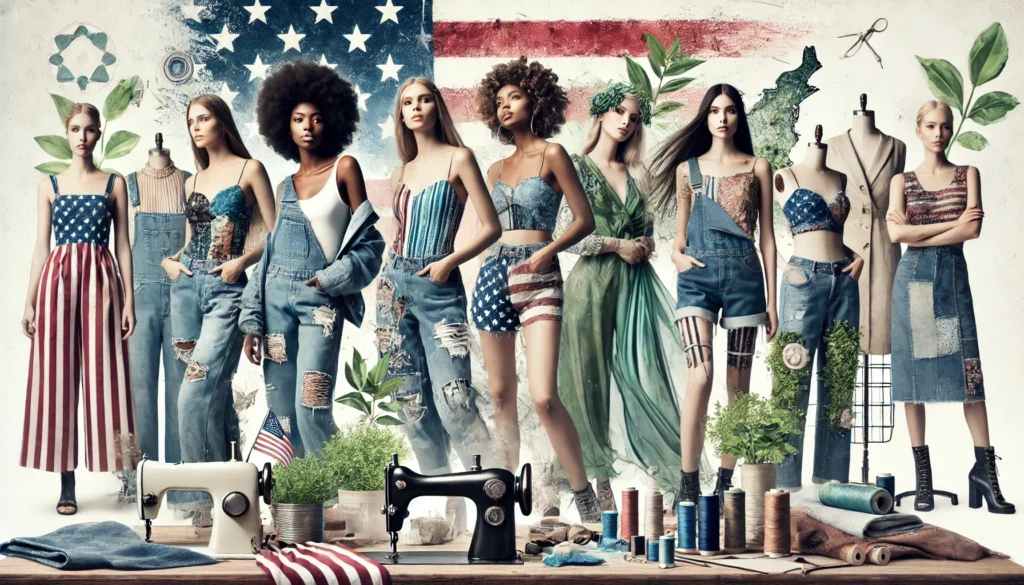
Zero-Waste Fashion and Upcycling in Relation with the American Women
Recently, two ideas associated with clothes – ‘zero-waste fashion’ and ‘upcycling’ – have been gradually trending in popularity, especially among women from the United States. Having seen that sustainability and environmental issues are topical issues in the global discourse, fashion lovers are even seeking unique ways and means of altering consumption patterns to achieve desired creative ends besides saving the planet. This article focuses on the increasing inclination of zero-waste fashion and upcycling, as well as the effects, opportunities and part played in fashion paradigm transformation.

What does Zero-Waste Fashion mean?
Zero-waste fashion can be define as the process of developing, manufacturing, and wearing clothing items with little to no waste. In contrast the classical fashion processes zero-waste fashion does not allow excess fabric wastage where leftover fabric ends up as scrapes and offcuts. This can be enhanced through the proper patterns on clothing and fashion statements accompanied by new methods of cutting clothes and reusing existing fabrics.
Key principles of zero-waste fashion include:
Efficient Pattern Making: Generating heuristics that increase fabric use to a material’s optimal level.
Sustainable Materials: Using biodegradable/recycled fabric and surplus fabric or fabrics produced from ethical methods.
Circular Fashion: Promoting the reuse of by-products as they are recycles, remanufactured or even used again in enhancing their operational abilities.
The Emergence of Upcycling in American Fashion
Another component of zero-waste fashion is up cycling; the art of taking and creating old clothes into new trendy garments. American women including casual and celebrity clients are embracing upcycled garments in circulation through their fashion arsenals.
Why Upcycling is Trending:
1. Environmental Impact: The textile and fashion industries are generally regarded as among the world’s largest polluters. There is real potential of upcycling to change behaviours, decrease the amount of textile wastes and, in effect, reduce the need for new material resources.
2. Unique Style: Upcycling means besides giving a new life and use to the product it enables women to design items that are unique from the others.
3. Cost-Effective: The saving of money is an acknowledged advantage in choosing up cycling; re-cycling of material is usually cheaper than the purchase of new products.
4. Empowerment: The idea of upcycling enhances the concepts of upcycling by giving individuals knowledge of how to fix and redesign garments that they will have a feeling of achievement.
Namit Kanth reads out some influential American women advocating for the zero-waste fashion— Lupita Nyong, Balaclava and Kering explained to Namit that.
American females have brought a change with them by acting as advocates of zero-waste fashion and upcycling. Everyone from celebrities to designers, and social media personalities are playing their part of advocating for sustainable clothing practices.
Stella McCartney: Stella is particularly recognized for her approach on using no waste in her fashion line.
Thred Up Advocates: Thred Up, an online second hand clothing store, often partners with influencers to sensitize consumers on upcycling.
Eco-Conscious Bloggers: Experts such as Kathryn Kellogg, Going Zero Waste, post about actionable eco-friendly advice and fashion recycling.
Appropriate upcycling tips for women
Vintage clothing is being revived through up cycling activities that American women are undertaking with an aim of reusing clothes that are already in their possession. Here are some creative ideas:
1. Turn Old Jeans into Shorts: Finally, one can put the embroidery or fabric patch of his or her favorite team as an add-on.
2. Transform T-Shirts into Tote Bags: Here is a beginners sewing project to teach your student on how to sew shopping bags that are reusable.
3. Patchwork Designs: Make smart and appealing clothing from fabric remnants and small pieces of material.
4. Upcycle Dresses into Skirts: Alter existing skirts and blouses to make new, more useful garments.
5. Decorate with Natural Dyes: Wash clothes that have lost their color using natural dyes.
Market analysis of America and the place of the Zero-Waste Fashion
Sustainability is becoming the new norm in the fashion industry in America. Some of the brands and retailers have embraced the needs of the consumers, and are making measures towards employing more of the zero-waste system.
Popular Zero-Waste Brands in the U.S.:
1. Reformation: In particular the firm has been praised for its sustainability approaches to production and its waste elimination programs.
2. Eileen Fisher: Is effective in recycling and upcycling of garments by adopting the Renew program from the firm.
3. Patagonia: Continues to sale second-hand clothes while at the same time encouraging customers to repair their clothes rather than acquiring new ones.
Retail Trends:
Resale Platforms: Such platform include social buying and selling and upcycling platforms like Poshmark and Depop.
Repair Services: Some companies have made it their business to repair products instead of replacing them, thus making them environmentally friendly.
Advantages of the Zero-Waste Fashion
Zero-waste fashion offers numerous benefits, not only for the environment but also for individuals and the economy:
1. Environmental Preservation: Reduces the amount of waste that goes to landfill site, help save some of the natural resources, and helps in the reduction of carbon dioxide emissions into the atmosphere.
2. Economic Opportunities: Promotes up cycling and repair industries as sources of business.
3. Community Building: Encourages members to contribute to, innovate, and cooperate in, the group.
4. Educational Value: Aids in raising public attention on matters to do with sustainability and sustainable living standards.
Challenges and Solutions
While the zero-waste movement is gaining momentum, there are challenges to overcome:
1. Consumer Awareness: People do not realize the effects that fashion has.
Solution: Fact-education and awareness creation through the social media.
2. Cost of Sustainable Fashion**: Environmental friendly products may be slightly costly.
Solution: Encourage people to participate in upcycling, and buying second-hand products in an effort to shop cheaply.
3. Scaling Production: Small start up brands may find it hard to serve the market due to a number of reasons such as inadequate capital investments in waste reducing technologies.
Solution: Research indicates that firms should invest in technology and partnerships to extend their operations.
The Future of Zero-Waste Fashion
What has been noticed about the “movement” among American women is that it is greater than a trend, but a total change of mentality regarding fashion. With increased awareness in the people, more and more customers will expect companies to engage in the right kind of practice and adopt sustainable production methods in offering them their products. These may include future technologies of recycling such recycling technologies, fabric that can decompose, and technologies in designing patterns that are free from wastage.
American women embracing no-waste fashion and upcycling are not only giving themselves style but are part of a positive change to the world and the future.
Conclusion
Sustainable and upcycling are a strong reaction to the environmental problems that the regular fashion industry provoke. And it has become incumbent on American women as catalysts of change in art, activism, and purchase power. No matter if people engage in DIY projects, if they buy clothes ethically or if they share this information, everyone knows it has a positive effect. That is why the concept of zero-waste fashion as a source of inspiration for the further development of the industry meets the world’s need for more mindful fashion.